

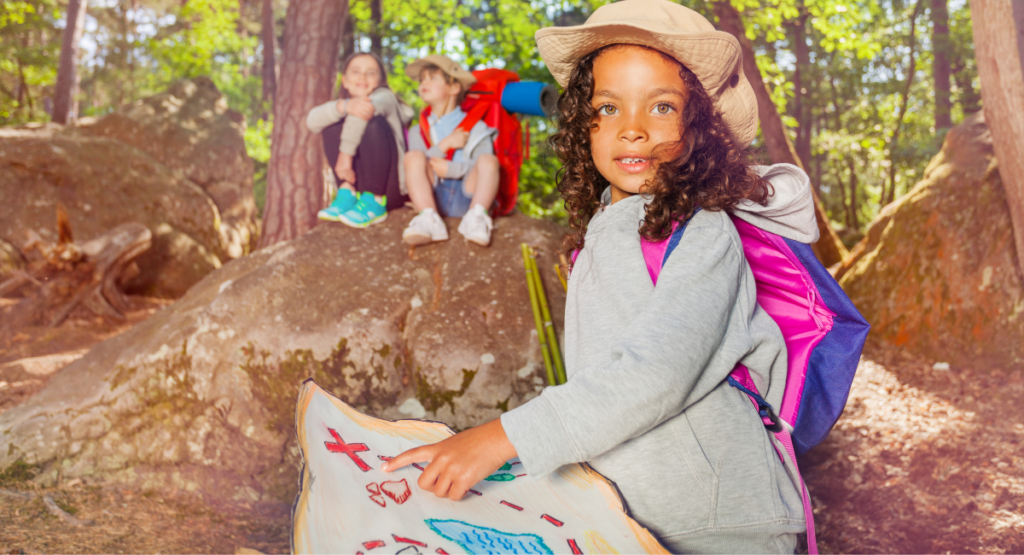
Forest school is a unique educational approach in a natural outdoor environment. It is a child-centered approach that encourages hands-on learning, exploration, and play. The philosophy of forest school is based on the belief that children learn best when given the freedom to explore and discover the world around them. The approach emphasizes holistic development and encourages children to take risks and develop self-confidence.
Outdoor education has been gaining popularity in recent years, and forest school is one of the most popular approaches. The education model is based on the idea that children must spend time in nature to develop their physical, emotional, and cognitive skills. The natural environment provides a rich and stimulating learning environment that encourages children to explore, experiment, and learn through their senses.
If you are considering forest school for your child, it is essential to understand the philosophy behind the approach and how it can benefit your child’s development. Forest school may not be suitable for every child, but it can be an excellent educational approach for those who thrive in a natural environment and enjoy hands-on learning.
What Is Forest School?
Forest school is an educational approach that takes place in a woodland or natural environment, providing children with regular opportunities for holistic growth through child-led, hands-on experiences. The education model is based on a philosophy of child-centred learning that values the whole child’s development, including their physical, emotional, social, and cognitive growth.
Forest School Philosophy and Principles
The philosophy of forest school is based on the belief that children have an innate connection to nature and the outdoors. Forest school practitioners aim to support and nurture this connection, providing children with opportunities to explore and learn through play and exploration in a natural setting. The approach is guided by a set of principles, which include:
- Child-led learning. Children are encouraged to take the lead in their education, choosing activities that interest them and following their curiosity.
- Holistic development. Forest school aims to support the development of the whole child, including their physical, emotional, social, and cognitive growth.
- Risk-taking. Children are encouraged to take supported risks, building confidence and resilience.
- Nature connection. Forest school aims to foster a lifelong relationship with nature, promoting environmental awareness and stewardship.
Forest School Curriculum and Activities
The forest school curriculum is flexible and child-led, with teachers adapting activities to meet the needs and interests of the children in their care. Activities may include:
- Outdoor play and exploration
- Nature-based arts and crafts
- Woodland tool use and safety
- Fire building and cooking
- Wildlife observation and identification
Forest school focuses not on specific academic achievement but on providing children with opportunities to learn through hands-on experiences in a natural setting.
Forest School Instructors
Forest school instructors are trained professionals who have completed a rigorous training program in the principles and practices of forest school. They are responsible for planning and leading forest school sessions, ensuring that activities are safe, engaging, and developmentally appropriate for the children in their care.
Benefits of Forest School
Forest school is a unique approach to education that offers children a wide range of benefits. Here are some of the key benefits of forest school:
Social and Emotional Development
One of the most significant benefits of forest school is the opportunity for social and emotional development. Children can develop social skills, build relationships with peers, and learn how to communicate effectively. Forest school also helps children develop their emotional intelligence, essential for building resilience and self-esteem.
Physical Development
Forest school allows children to engage in physical activity, which is essential for their overall health and well-being. Outdoor activities such as tree climbing, foraging, and shelter building help children to develop their gross motor skills, balance, and coordination.
Cognitive Development
Forest school is an excellent way to promote cognitive development. Children have the opportunity to engage in problem-solving activities, which help to develop their critical thinking skills. They also learn to observe and explore their surroundings, which helps to promote curiosity and a love of learning.
Creativity and Imagination
Forest school allows children to engage in imaginative play and nature art. This helps to promote creativity and imagination, which is essential for developing well-rounded, creative learners.
Connection to Nature
Forest school encourages children to thrive in nature, regardless of the weather. Spending time in nature helps to reduce stress and anxiety, promote relaxation, and improve overall mood.
Forest School offers children a wide range of benefits, including social and emotional development, physical development, cognitive development, creativity and imagination, and connection to nature. Forest school is excellent for parents who want their children to engage in holistic learning and develop into well-rounded, creative learners.
Risks and Safety in Forest School
Caregivers may have concerns about the safety and the risks involved with a curriculum that is entirely outdoors in a natural environment. However, forest school programs are designed to provide children a safe learning environment while allowing them to take supported risks and explore their surroundings.
Supported Risks
Forest school encourages children to take risks in a supportive and supervised environment. Through activities such as climbing trees, building dens, and using tools like knives and saws, children learn to assess and manage risks on their own. This approach helps to build children’s confidence and self-esteem and teaches them essential life skills such as problem-solving and decision-making.
However, it’s important to note that these activities are always supervised by trained forest school leaders, who ensure that the children are safe and that the risks are appropriate for their age and ability level.
Caregivers may be concerned about what happens during extreme temperatures and inclement weather. Part of the forest school education includes adapting to the climate with appropriate clothing and strategies. Children who attend forest schools learn to work with the weather, not against it.
Establishment of Boundaries
Establishing boundaries is a key part of ensuring safety in forest school. Before any activities begin, children are taught about the boundaries of the forest school site, as well as the boundaries of the activities themselves. They learn to respect these boundaries and to take responsibility for their own safety.
Forest school leaders are trained to assess and manage environmental risks, including potential hazards such as fire or dangerous wildlife. They also ensure that children are adequately equipped with appropriate clothing and safety gear, such as gloves and helmets.
Overall, while there are risks involved in forest school, the program is designed to provide a safe and supportive learning environment for children that honors their individual development. By taking supported risks and learning to manage them, children gain valuable skills and experiences that can benefit them throughout their lives.
Forest School in Practice
Forest school is a unique and innovative approach to outdoor learning that has gained popularity worldwide. This section will explore how Forest School is practiced in different parts of the world, including the UK and Europe, the US and Canada, and during the COVID-19 pandemic.
Forest School in the UK and Europe
Forest school originated in Scandinavia, specifically Denmark and Sweden, and has been an accepted education model in the UK since the 1990s. Today, forest school is an established concept in the UK, with many nurseries, primary schools, and pre-schools implementing it as part of their early childhood education programs. The Forest School Association (FSA) is a UK-based organization that promotes and supports quality forest school practice.
Throughout Europe, forest school is gaining popularity, with countries like Germany and France embracing the concept. The FSA has developed a set of principles and criteria for good practice, which are widely recognized and adopted in Europe.
Forest School in North America
In the US, forest school is a relatively new concept, but it is rapidly gaining popularity. Several forest schools have been established in many states across the country, including Wisconsin, California, Georgia, and Florida. These schools provide children with learning opportunities through child-led exploration and play in various natural environments. The curriculum looks vastly different depending on your region.
Much like the US, Canada is quickly adopting the concept of forest school and there are several options available in most regions of Canada.
Forest School During the COVID-19 Pandemic
The COVID-19 pandemic has significantly impacted education. While most schools were shutting down and struggling to adapt to the changing environment of a pandemic, forest schools thrived. Although forest schools made minor changes by implementing social distancing measures and reducing class sizes, caregivers felt confident sending their children to a school that is 100% outdoors. The pandemic highlighted the importance of outdoor learning and the benefits of forest school.
Overall, forest school is a unique and innovative approach to outdoor learning that is gaining popularity worldwide. Whether you live in the UK, Europe, the US, or Canada, forest school can provide your child with a lifelong relationship with nature and promote child-led learning and exploration.