

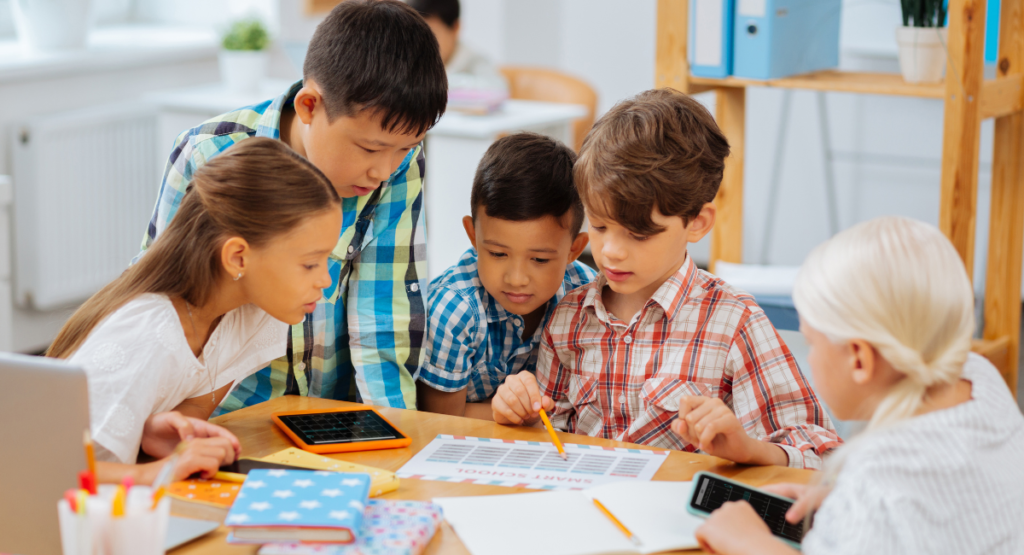
Democratic education is an educational model that aims to empower students by giving them a voice in their own learning. This model is based on the principles of freedom, equality, and democracy, and it encourages students to take an active role in their education. In a democratic classroom, students are encouraged to participate in decision-making, collaborate with their peers, and take responsibility for their own learning.
Democratic education is not a one-size-fits-all approach, and it may not be the right fit for every child. However, for students who thrive in an environment that values their input and encourages them to take ownership of their learning, democratic education can be a powerful tool for success. By giving students the freedom to explore their interests and pursue their passions, democratic education can help them develop critical thinking skills, creativity, and a sense of agency over their own lives.
What is the Democratic Education Model?
Democratic education is an educational philosophy that prioritizes the needs and interests of learners, their communities, and society as a whole. It is a model that emphasizes collaboration, critical thinking, and problem-solving, and it encourages students to take an active role in their own education. In a democratic education model, students are seen as active participants in the learning process rather than passive recipients of information.
Unlike traditional education models and most public schools, democratic education is grounded in the principles of democracy. It values trust, voice, participation, and decision-making, and it seeks to empower students by giving them control over their own learning. This model aims to avoid manipulation and coercion, and instead fosters intrinsic motivation and a love of learning.
In a democratic classroom, the teacher acts as a facilitator rather than a controller. Students are encouraged to ask questions, share their opinions, and work collaboratively with their peers. This model values equality and seeks to integrate all students into the learning process, regardless of their background or abilities.
One of the key benefits of the democratic education model is that it fosters empathy and self-determination in students. By giving them a voice and a sense of ownership over their own education, students are more likely to develop a deep understanding of themselves and others. They are also more likely to be motivated to learn, as they are able to connect their learning to their own interests and goals.
The democratic education model is a powerful tool for creating engaged, motivated, and empowered learners. By prioritizing collaboration, critical thinking, and problem-solving, this model prepares students for success in a rapidly changing world.
How Does the Democratic Education Model Compare to Traditional Educational Systems?
The democratic education model is a unique approach to education that emphasizes the importance of student autonomy, choice, and control. In contrast to traditional educational systems, which are often characterized by a strict adherence to a predetermined curriculum, democratic education allows students to take an active role in their own learning. This approach is based on the principles of justice, autonomy, and choice, and it is designed to promote a more equitable and inclusive educational experience for students.
One of the main differences between traditional and democratic education is the approach to curriculum. In traditional educational systems, like Core Knowledge, traditional public school, and academy models, the curriculum is often predetermined, and students are expected to follow a set course of study. In contrast, democratic education allows students to have more control over what they learn and how they learn it. This approach is designed to promote student engagement and to help students develop a deeper understanding of the material.
Another key difference between traditional and democratic education is the approach to homework. In traditional educational systems, homework is often seen as a necessary part of the learning process, and students are expected to complete a set amount of homework each night. In contrast, democratic education takes a more flexible approach to homework, allowing students to choose when and how they complete their assignments.
Overall, the democratic education model offers a unique and innovative approach to education that emphasizes the importance of student autonomy, choice, and control. While it may not be the right fit for every student, it is a valuable option for those who are looking for a more equitable and inclusive educational experience.
Is the Democratic Education Model Right for Your Child?
When it comes to choosing an education model for your child, the democratic education model is a good one to consider. This model is based on the principles of democracy, emphasizing the importance of choice, respect, and decision-making. It is an alternative to the traditional, top-down approach to education that is often characterized by a lack of student voice and participation.
One of the key features of the democratic education model is the trust it places in children. This model recognizes that children are capable of making decisions and taking control of their own learning. It seeks to avoid manipulation and instead fosters intrinsic motivation by giving children a sense of ownership over their education.
In a democratic classroom, children are encouraged to participate actively in their own learning. They are given a voice and are encouraged to share their thoughts and ideas with their peers and teachers. This fosters a sense of equality and helps to develop empathy and integration among students.
It is important to note that the democratic education model may not be the right fit for every child. Some children may thrive in a more structured environment, while others may struggle with the responsibility and decision-making that comes with the democratic model. It is important to consider your child’s personality and learning style when making this decision.
It may be a good fit for children who are self-determined and motivated, but it is not the right fit for every child. When considering this model, it is important to carefully consider your child’s needs and personality.